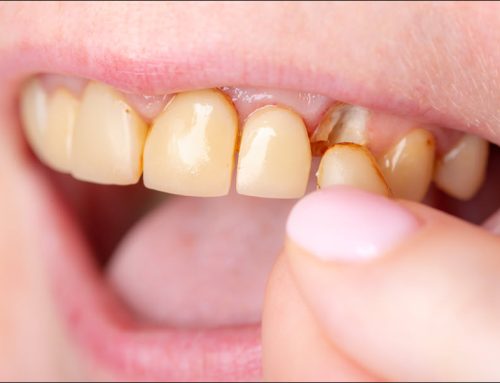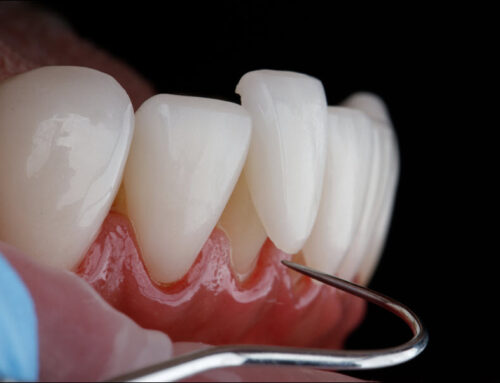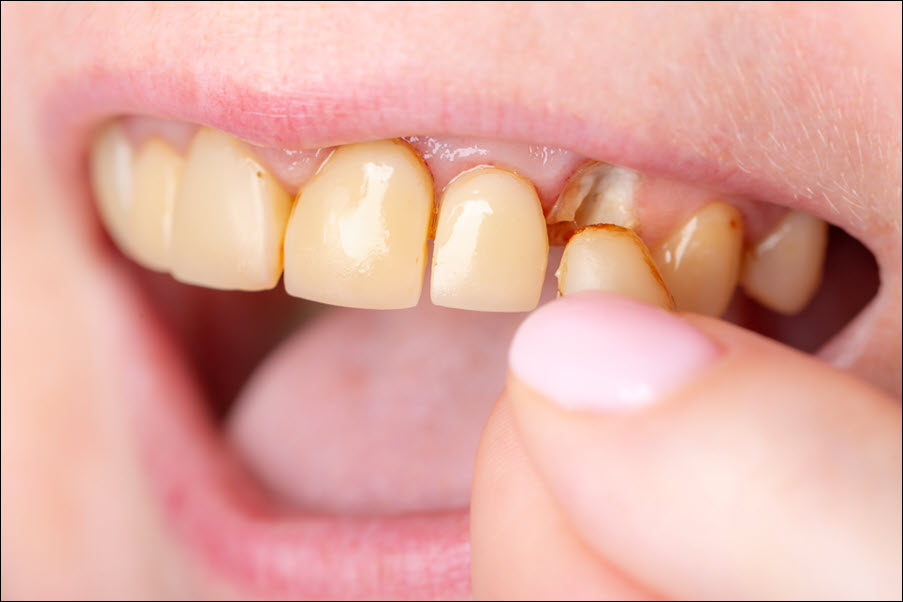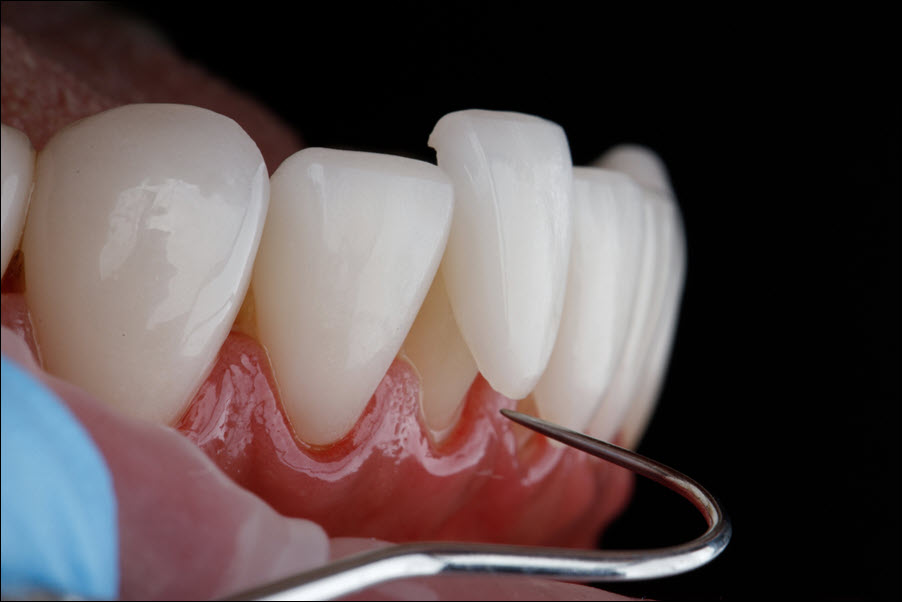
Small imperfections in your teeth can make a noticeable difference in how you feel about your smile. A chipped edge, small gap, discoloration, or uneven tooth may not require extensive dental treatment. In many cases, dental bonding offers a conservative and effective way to improve the appearance of a tooth.
At Meadow View Dentistry, dental bonding is one cosmetic dentistry option that can help patients achieve a more attractive, natural-looking smile.
What Is Dental Bonding?
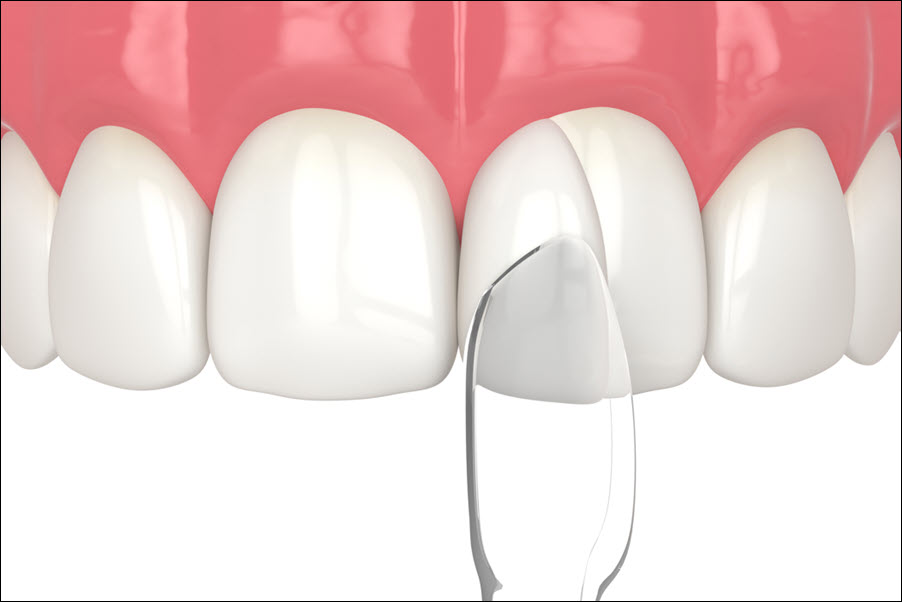
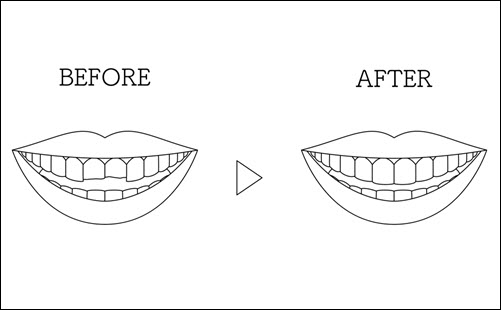 Dental bonding, also called composite bonding, uses tooth-colored composite resin to change or restore the appearance of a tooth. This material can be carefully shaped and matched to the color of your surrounding teeth.
During treatment, the composite resin is applied directly to the tooth. Your dentist shapes the material to achieve the desired appearance and then hardens it with a special curing light.
Because bonding usually requires little or no removal of healthy enamel, it can be a conservative option for correcting certain cosmetic concerns.
What Problems Can It Correct?
Bonding is versatile and may be used to address several minor dental imperfections. Depending on your individual needs, bonding can help improve:
- Small chips in teeth
- Minor cracks or imperfections
- Gaps between certain teeth
- Tooth discoloration
- Uneven or irregular tooth shapes
- Teeth that appear too short
- Worn tooth edges
Composite resin may also be used for tooth-colored fillings and certain other restorative dental procedures.
However, bonding is not appropriate for every cosmetic or structural problem. A dental examination can determine whether bonding, veneers, crowns, or another treatment is better suited to your needs.
What Happens During Composite Bonding?
Dental bonding can often be completed in a single appointment.
First, your dentist selects a composite resin shade that closely matches your natural tooth color. The tooth surface is then prepared so the bonding material can attach securely.
Composite resin is applied, carefully shaped, and sculpted to create the desired appearance. A curing light hardens the material.
Finally, your dentist makes any necessary adjustments and polishes the bonded area so it blends naturally with the surrounding tooth.
How Long Does It Last?
Dental bonding can last for several years, but its lifespan depends on the location of the bonded tooth, your bite, oral hygiene, and daily habits.
Composite resin is strong, but it is not as resistant to staining or chipping as natural enamel or some porcelain restorations.
Avoid biting your fingernails, chewing ice, or using your teeth to open packages. These habits can damage both bonded and natural teeth.
If you grind or clench your teeth, ask your dentist whether a nightguard may help protect your dental work.
How Do You Care for Bonded Teeth?
Bonded teeth generally do not require complicated maintenance. Brush twice daily with fluoride toothpaste and floss every day.
Regular dental examinations and professional cleanings allow your dentist to monitor the bonded area and check for wear, staining, or damage.
Also remember that composite material does not respond to teeth whitening in the same way as natural enamel. If you are considering whitening, discuss the timing with your dentist.
Is Dental Bonding Right for You?
Dental bonding can provide an effective solution when you want to correct relatively minor cosmetic imperfections without more extensive treatment.
Meadow View Dentistry provides dental bonding and cosmetic dental care designed to create healthy, natural-looking smiles. If you have a chipped, discolored, uneven, or otherwise imperfect tooth, contact our office to schedule an evaluation and learn whether dental bonding may be right for you.